Booking RideSenior – More Than a Ride
Trusted drivers for seniors, patients & families.

Who Can Take My Elderly Parent to Medical Appointments in Quebec? Caring for an aging parent comes with many responsibilities, and one of the most pressing concerns for families is ensuring reliable transportation to medical appointments. If you’ve ever asked yourself, “Who Can Take My Elderly Parent to Medical Appointments in Quebec?”, you’re not alone. In regions like Quebec, where healthcare access is strong but transportation options can vary widely depending on location, finding safe, timely, and compassionate travel solutions becomes essential. Seniors often face mobility challenges, cognitive limitations, or chronic conditions that make independent travel difficult. That’s why families increasingly rely on Senior Transportation Services to bridge the gap between home and healthcare facilities.
From bustling urban centers like Montreal to quieter communities such as Quebec City, the demand for specialized transportation for seniors continues to grow. Whether your parent needs to visit a general practitioner, attend physiotherapy, or undergo regular treatments like dialysis, dependable transportation is not just a convenience, it’s a necessity. Options range from public transit adaptations and volunteer driver programs to private providers and family support networks. However, not all solutions offer the same level of safety, reliability, or comfort.
Understanding the full range of choices available can help you make informed decisions that prioritize your loved one’s well-being. This guide explores who can take your elderly parent to medical appointments in Quebec, the pros and cons of each option, and why many families are turning to Senior Transportation Services as the most dependable solution for long-term care support.
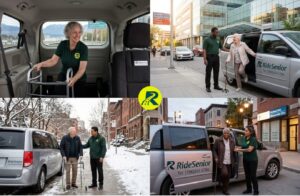
As people age, their ability to travel independently often declines. Physical limitations such as arthritis, reduced vision, or balance issues can make driving unsafe. Cognitive conditions like dementia may further complicate navigation and decision-making. For many seniors, even short trips to a clinic can become stressful or risky without assistance.
Healthcare systems in Quebec are robust, but they often assume patients can get to appointments on their own or with minimal help. This creates a gap for elderly individuals who require assistance from door to door. In rural areas, the challenge is even greater due to limited transit infrastructure.
Families must consider several factors when arranging transportation. These include punctuality, driver training, accessibility features like wheelchair ramps, and whether the service includes accompaniment into the medical facility. This is where Senior Transportation Services stand out by offering tailored solutions designed specifically for elderly passengers.
One of the most common answers to the question “Who Can Take My Elderly Parent to Medical Appointments in Quebec?” is family. Adult children, spouses, or close relatives often take on this responsibility out of love and necessity.
While this option provides emotional comfort and trust, it may not always be practical. Work schedules, distance, and other commitments can make it difficult to consistently provide transportation. Additionally, not all family members are trained to assist seniors with mobility challenges or medical needs during transit.
Professional caregivers can also provide transportation as part of their services. However, this often comes at a higher cost and may not always include specialized vehicles or insurance coverage for transport.
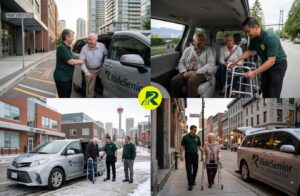
In cities like Montreal and Quebec City, public transportation systems offer some accessibility features. The Société de transport de Montréal provides adapted transit services for individuals with disabilities. Similarly, Réseau de transport de la Capitale offers paratransit options.
While these services are valuable, they often require advance booking and may involve long wait times. Routes can also be indirect, making travel time longer and more exhausting for seniors. For those with complex medical conditions, public transit may not provide the level of care and attention needed.
Community organizations across Quebec offer volunteer driver programs for seniors. These services are often low-cost or donation-based, making them accessible for individuals on fixed incomes.
However, availability can be inconsistent, especially in less populated areas. Volunteers may not have specialized training, and scheduling flexibility can be limited. While helpful in certain situations, these programs may not be reliable for frequent or urgent medical appointments.
Traditional taxis and ride-hailing apps like Uber provide another option for senior transportation. They are widely available in urban areas and offer on-demand convenience.
Despite their accessibility, these services are not specifically designed for elderly passengers. Drivers may not be trained to assist with mobility issues, and vehicles may lack necessary accommodations such as wheelchair access. Safety and consistency can also vary depending on the driver.
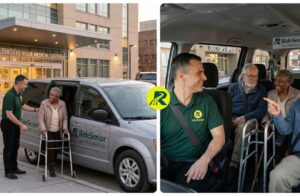
Non-emergency medical transportation (NEMT) services are specifically designed to transport patients to and from healthcare appointments. These providers often offer wheelchair-accessible vehicles and trained staff.
In Quebec, some healthcare institutions partner with transportation providers to support patient mobility. However, availability may depend on eligibility criteria, and services can be limited in scope or geographic coverage.
This is where dedicated Senior Transportation Services become increasingly valuable. They combine the reliability of professional providers with the specialized care seniors require.
When evaluating all available options, it becomes clear that not all transportation solutions are created equal. Senior Transportation Services are uniquely positioned to address the specific needs of elderly passengers.
These services typically include trained drivers who understand how to assist seniors safely, vehicles equipped for accessibility, and flexible scheduling tailored to medical appointments. Many providers also offer door-to-door or even door-through-door assistance, ensuring that seniors are safely escorted into their appointments.
Another key advantage is reliability. Missed medical appointments can have serious health consequences, especially for seniors managing chronic conditions. With Senior Transportation Services, families can have peace of mind knowing that their loved ones will arrive on time and return home safely.
RideSenior is emerging as a trusted name in senior transportation across Canada. By focusing exclusively on the needs of elderly passengers, the company provides a level of service that general transportation options cannot match.
RideSenior’s approach emphasizes safety, comfort, and reliability. Drivers are carefully vetted and trained to assist with mobility challenges, while vehicles are equipped to accommodate a range of needs. Whether your parent requires occasional transportation or regular trips to healthcare facilities, RideSenior offers flexible solutions designed to fit your schedule.
For families asking “Who Can Take My Elderly Parent to Medical Appointments in Quebec?”, RideSenior represents a dependable answer that combines professionalism with compassion.
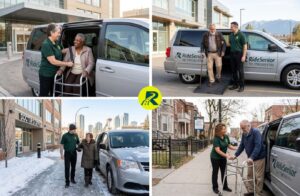
Choosing the right provider involves more than just availability. Families should consider several important features when evaluating options.
Driver training is essential. Professionals should understand how to assist seniors with entering and exiting vehicles, handling mobility aids, and responding to emergencies.
Vehicle accessibility is another critical factor. Wheelchair ramps, handrails, and spacious interiors can make a significant difference in comfort and safety.
Punctuality and reliability are non-negotiable. Medical appointments often operate on tight schedules, and delays can disrupt treatment plans.
Finally, customer support and communication play a vital role. Families should be able to easily schedule rides, receive updates, and address concerns.
Cost is an important factor for many families, especially those managing long-term care expenses. While Senior Transportation Services may appear more expensive than public transit or volunteer programs, they often provide greater value in terms of safety, reliability, and convenience.
Some insurance plans or community programs may offer partial coverage for medical transportation. It’s worth exploring these options to reduce out-of-pocket expenses.
When evaluating cost, consider the potential risks of less reliable alternatives. Missed appointments, injuries during transit, or added stress can ultimately result in higher costs both financially and emotionally.
Proactive planning can make a significant difference in managing senior transportation needs. Establishing a consistent schedule, choosing a reliable provider, and maintaining clear communication with healthcare professionals can help ensure smooth and stress-free experiences.
Families should also consider long-term needs. As health conditions evolve, transportation requirements may change. Partnering with a provider that can adapt to these changes is essential for continuity of care.
Transportation is more than just a logistical concern. It plays a crucial role in maintaining independence and quality of life for seniors. Regular access to healthcare, social activities, and community engagement contributes to overall well-being.
By choosing the right transportation solution, families can empower their loved ones to remain active and connected. Senior Transportation Services not only provide practical support but also enhance confidence and dignity for elderly passengers.
Finding the right answer to “Who Can Take My Elderly Parent to Medical Appointments in Quebec?” requires careful consideration of available options and individual needs. While family members, public transit, and community programs all play a role, they may not always provide the consistency and care required for regular medical visits.
Dedicated Senior Transportation Services offer a comprehensive solution that prioritizes safety, reliability, and comfort. With providers like RideSenior leading the way, families can ensure their elderly parents receive the support they need to access healthcare without stress or uncertainty.
Investing in the right transportation service is not just about convenience. It’s about safeguarding health, preserving independence, and providing peace of mind for both seniors and their families.





 650+
650+